Main properties of nano silver colloid:
Colloid silver is a natural antibacterial, preservative, care agent, and deodorant.
Principle: Use 99.99 pure metallic silver to prepare nano Ag colloid through special process and special equipment.
Main performance: antibacterial.
The principle of sterilization of nano colloidal Ag—the chemical structure of silver determines that it has a high catalytic ability, which is enough to produce atomic oxygen in the surrounding space. The atomic oxygen has strong oxidizing properties and can sterilize. Ag+ can strongly attract the mercapto group (-SH) of protease in the bacterial body and quickly bind to it, causing the protease to lose its activity, leading to the death of bacteria. When the bacteria are killed by Ag+, Ag+ will free from the corpse of the bacteria, and then contact with other bacteria, repeat the above process, which is also the reason for the persistence of silver sterilization.
The main advantages of nano Ag colloid sterilization: broad-spectrum, safe, non-toxic, non-drug resistant, long-lasting, fast.
1. Broad-spectrum sterilization
Silver nanoparticles directly enter the bacteria and combine with oxygen metabolism enzyme (-SH) to suffocate the bacteria to death. It can kill most of the bacteria, fungi, molds, spores and other microorganisms that come into contact with them. According to the research of eight domestic authoritative institutions, colloidal silver has comprehensive antibacterial activity against drug-resistant pathogens such as drug-resistant Escherichia coli, drug-resistant Staphylococcus aureus, drug-resistant pseudomonas aeruginosa, streptococcus pyogenes, drug-resistant enterococcus, anaerobic bacteria, etc.; It has a bactericidal effect on common bacteria on the surface of burns, scalds and wounds, such as staphylococcus aureus, escherichia coli, pseudomonas aeruginosa, candida albicans and other G+ and G-sex pathogenic bacteria; also have powerful effect on chlamydia trachomatis and neisseria gonorrhoeae which cause sexually transmitted diseases.
2. Strong sterilization
According to research, Ag can kill more than 650 kinds of bacteria in a few minutes. After the nano Ag particles are combined with the cell wall/membrane of pathogenic bacteria, they can directly enter the bacteria body and quickly combine with the sulfhydryl group (-SH) of oxygen metabolism enzymes, inactivating the enzymes, blocking respiratory metabolism and suffocating them to death. The unique bactericidal mechanism enables Ag nano particles to quickly kill pathogenic bacteria at low concentrations.
3. Strong permeability
Silver nanoparticles have super permeability, can quickly penetrate 2mm under the skin to sterilize, and have a good bacteriocidal activity on common bacteria, stubborn bacteria, drug-resistant bacteria and deep tissue infections caused by fungi.
4. Long-lasting antibacterial
Ag+ can strongly attract the sulfhydryl group (-SH) on the protease in the bacterial body, and quickly bind to it, causing the protease to lose its activity, leading to the death of the bacteria. When the bacteria are killed by Ag+, Ag+ will be freed from the corpse of the bacteria, and then contact with other bacteria, repeating the above process again and again.
5. High safety
In 1990, the U.S. Toxic Substances and Disease Registry and the U.S. Public Health Service commissioned Clement International to conduct a silver toxicity survey, which involved the absorption, distribution, metabolism, excretion and health effects of silver. According to the research, there has been no investigation yet on that silver causes toxic reactions in humans or affects the functions of the immune system, cardiovascular system, reproductive system, or developmental and genetic toxicity.
6. No drug resistance
The unique antibacterial mechanism of nano silver particles can quickly and directly kill bacteria, causing them to lose their ability to reproduce. Therefore, the next generation of drug-resistant particles cannot be produced.
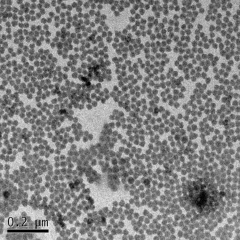
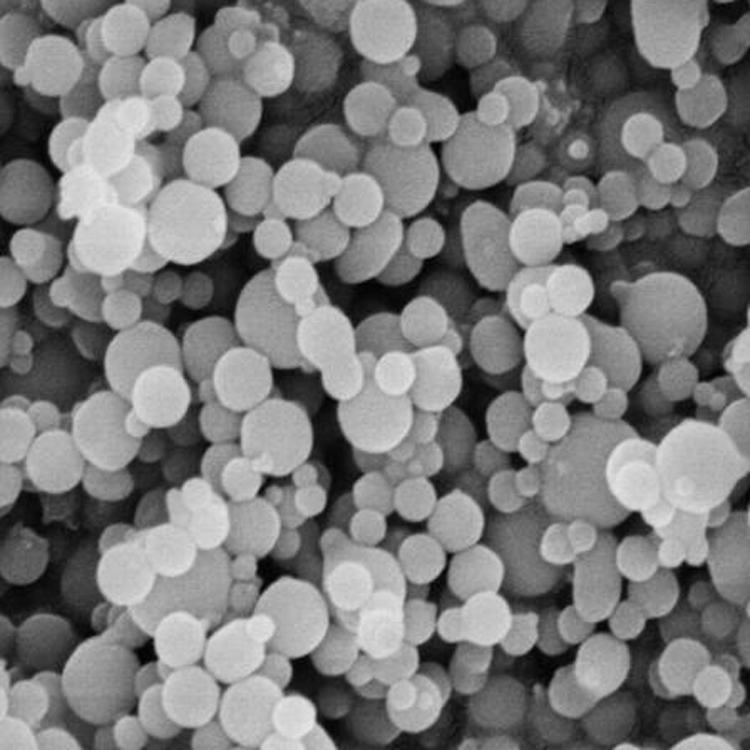
Theory and practice have proved that under the condition of the same concentration: the smaller the silver particles in the silver colloid, the better the bactericidal effect.


 English
 français
 Deutsch
 русский
 italiano
 español
 português
 日本語
日本語 한국의
한국의 Türkçe





 8620-87226359,8620-87748917

