Concrete is the basic building material and is widely used in various buildings and structures. With the large-scale concrete engineering, the complexity of the engineering environment and the continuous expansion of application fields in the 21st century, people have put forward higher requirements for concrete materials. Nanotechnology can improve the properties of concrete, greatly expanding the application fields of concrete.
Nano materials improve concrete properties:
1. Nano silica(SiO2)
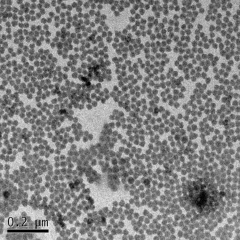
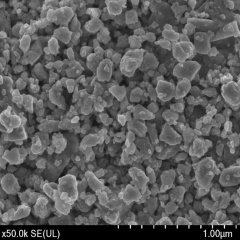
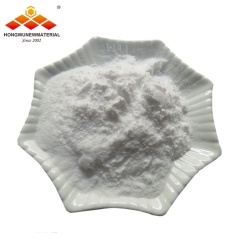
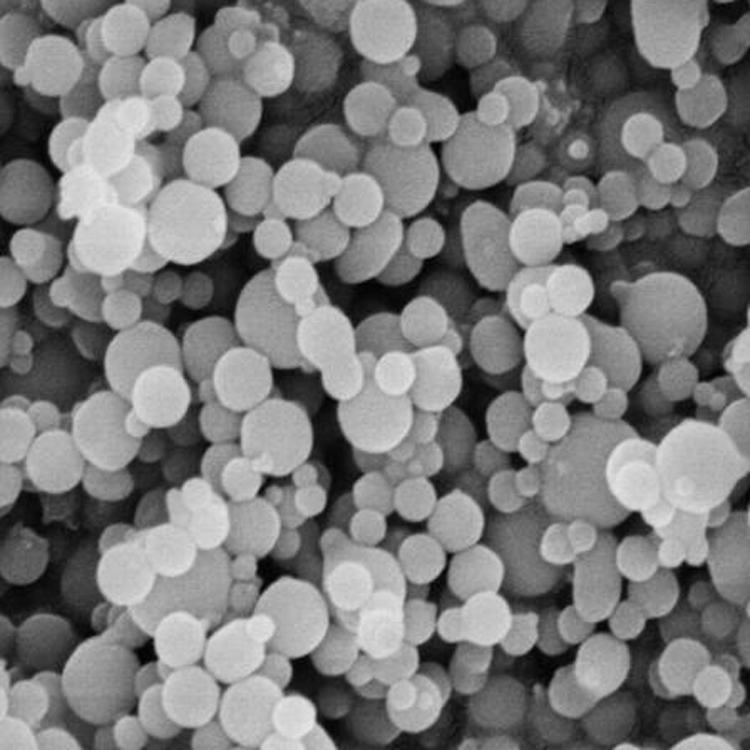
Nano SiO2 is an ultra-fine powder with hydroxyl groups on the surface produced by the high-temperature hydrolysis of chlorides containing silicon or organosilicon. In the field of cement concrete, nano-SiO2 can increase the strength and durability of concrete becaused of its strong pozzolanic activity, micro-aggregate filling effect and crystal nucleation effect.
2. Carbon Nanotubes(CNTs)
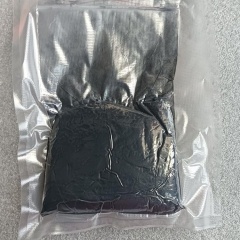
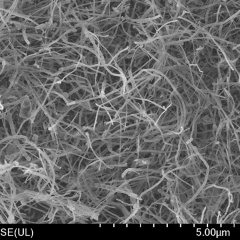
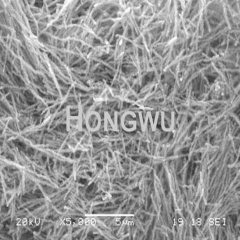
Carbon nanotubes are tubular, light in weight and perfectly connected in hexagonal structure, making them a good high-strength fiber material. Incorporating an appropriate amount of carbon nanotubes into cement can effectively improve the pore structure and microcracks of the materials, and play a bridging role, thereby improving the mechanical properties of the cement substrate.
3. Other nano materials, such as nano calcium carbonate and carbon fiber, contribute to the improvement of concrete durability.
Nanotechnology expands the application areas of concrete:
1. Concrete that absorbs electromagnetic waves
According to reports, the man-made environmental electromagnetic energy density can increase by 7% to 14% every year, which has objectively formed electromagnetic radiation pollution and is recognized as the fifth harm in the world.
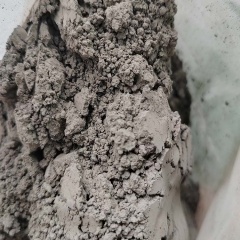
Using the special properties of nano metal powders, functional electromagnetic shielding concrete can be made. The method is to bring the nano metal powders and the concrete mixture into the concrete after dry mixing evenly, and participate in the hydration process of the cement. The concrete prepared by this method can not only reduce the weight of the concrete structure, improve the bearing capacity and impact resistance of the concrete, but also have a good electromagnetic shielding function, and can be used in military buildings.
2. Purifying air concrete
Air pollution has direct harm to human health. Anatase nano TiO2 is an excellent photocatalyst, which has special functions such as air purification, sterilization, deodorization, and surface self-cleaning. Adding nano scale components to mortar or concrete to make photocatalytic concrete, which can decompose and remove harmful pollutants such as sulfur dioxide and nitrogen oxides in the air, and play a role in purifying the air.
3. Antibacterial concrete
In recent years, antibacterial and mildew-proof concrete has appeared. It is mixed with nano antibacterial and mildew-proof components in traditional concrete, so that the concrete has the effect of inhibiting the growth of mold and sterilization. This concrete has been used in livestock farm buildings.
4. Automatic moisture conditioning concrete
By adding the key component of the concrete made of nano natural zeolite powder, the indoor ambient temperature can be detected and adjusted as needed to meet the humidity control requirements of buildings such as people's residences or art galleries. Compared with the traditional use of temperature and humidity sensors controller and complex wiring system, low cost of use and maintenance. This type of material is more suitable for architectural environments such as art galleries that require relatively high humidity control.
5. Ecological concrete
Nano materials with high activity are added to porous concrete through water purification treatment. With the help of the porosity and roughness of concrete, concrete can have the effect of water purification and form ecological concrete. The specially treated concrete surface can breed green plants, purify the air and beautify the environment. It can be used on the ground to retain and store water, and it can be used for heat insulation and cooling on walls and roofs.
6. Smart concrete
The research on "self-diagnosis", "self-regulation" and "self-repair" of smart concrete is gradually deepening.
In 1992, Mr. Sugita of Shimizu Construction in Japan studied intelligent concrete with "self-diagnosis" function made of three different carbon fibers, including high-strength carbon fiber and high-elasticity carbon fiber. According to the conductivity of carbon fiber, the concrete can test the change of resistance, establish a model between the resistance and the carrier, and predict the damage of the concrete structure. This research is very important to ensure the safety of important concrete structures.
Designing concrete as a building material that meets different environmental and functional requirements will be more and more popular. High-performance and high-functional concrete is the focus of the development of concrete material science and engineering technology in the 21st century. Among them, nanotechnology is bound to play an increasingly more and more important role.


 English
 français
 Deutsch
 русский
 italiano
 español
 português
 日本語
日本語 한국의
한국의 Türkçe





 8620-87226359,8620-87748917

